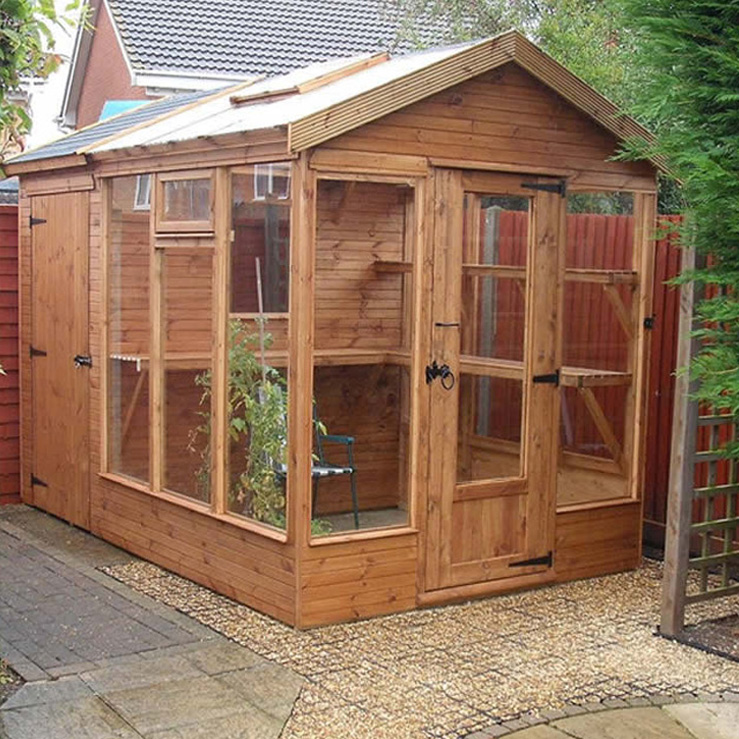
As the colder months arrive, we naturally start spending more time indoors. But that doesn’t mean your garden has to be forgotten until spring.
Autumn and winter can actually be a great time to create that extra bit of usable space you’ve been thinking about. A garden room for family get-togethers, a shed for tackling DIY projects, a greenhouse ready for next year’s growing season or simply somewhere warm and dry to escape to when the weather turns.
Whatever you have planned, it all starts with a strong, reliable base.
Traditionally, creating a garden building base has meant digging out the area, arranging materials, mixing or pouring concrete and waiting for it to cure. EcoGrid E40 offers a simpler alternative, creating a strong, free-draining base without the need for a traditional concrete slab.
Don’t Put Your Garden Project Off Until Spring
It’s easy to think that sheds, garden rooms and greenhouse projects need to wait for warmer weather, but that isn’t necessarily the case.
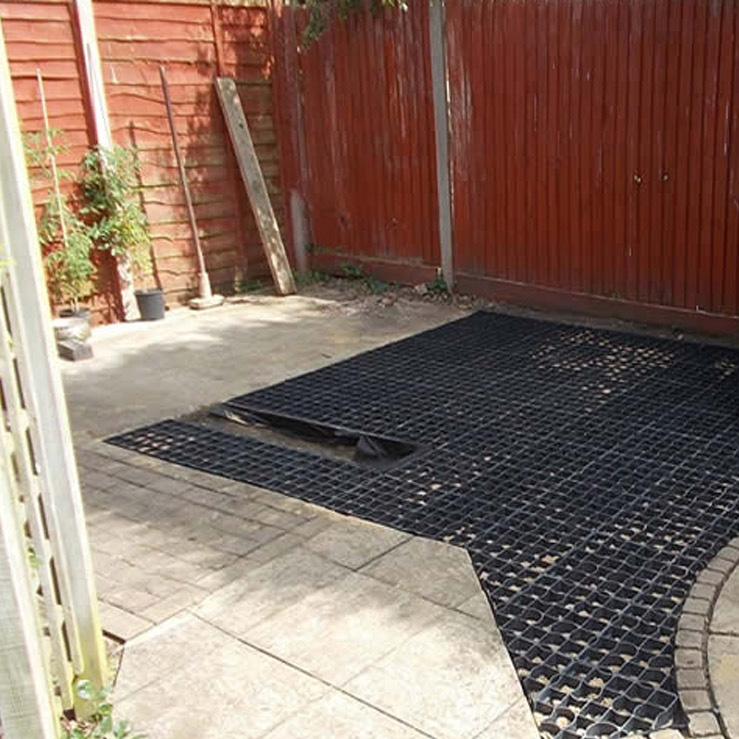
EcoGrid can be installed throughout the year, making it a practical option for autumn and winter garden projects. There’s no concrete curing time to worry about, and once your ground preparation and sub-base are complete, the grids can be laid and filled ready for your new garden building.
That means you could get your extra space ready now and actually enjoy it over winter, rather than waiting until next summer.

Why Your Garden Building Base Matters
Whether you’re installing a small shed or creating a larger garden room, the foundation underneath it plays an important role in how well the building performs.
An unsuitable or uneven base can contribute to movement, drainage problems, difficult-to-open doors and an uneven floor. Taking the time to create a properly prepared, level base can help give your new garden building a much better start.
This becomes particularly important during the wetter months when good drainage around your shed, greenhouse or garden room can make a noticeable difference.
What Is EcoGrid E40?
EcoGrid E40 is a heavy-duty ground reinforcement grid that can be used to create strong, stable and permeable surfaces.
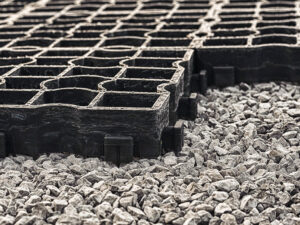
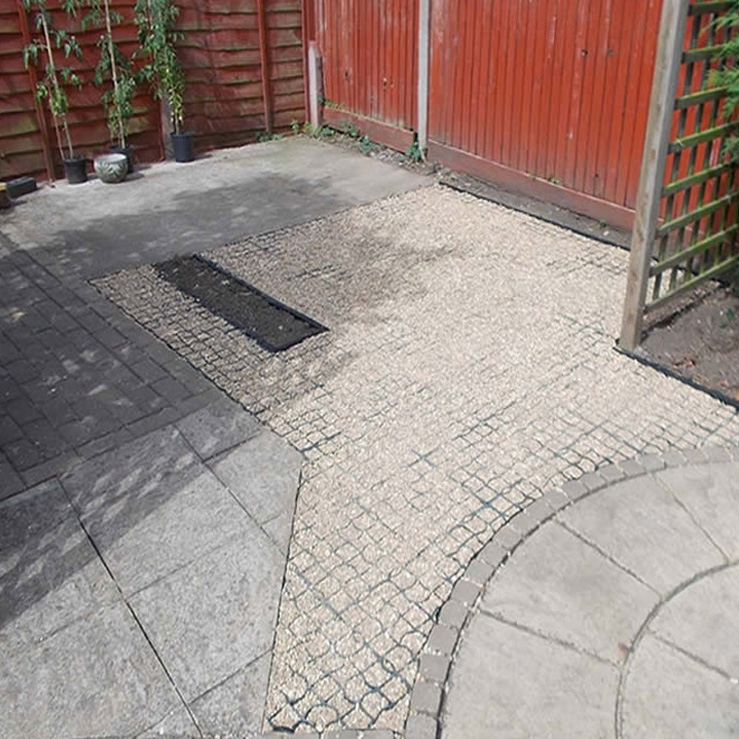
The interlocking grids are installed over a correctly prepared sub-base before being filled with suitable angular gravel. Together, the grid and aggregate create a reinforced surface that distributes loads while allowing rainwater to drain through naturally.
For homeowners, it provides a practical alternative to a solid concrete base and can be installed without specialist concrete equipment.
Create That Extra Space for Winter
A new garden building doesn’t have to be something you only enjoy during summer.
A properly insulated garden room could become somewhere for family and friends to gather, a home office away from the main house or a space for hobbies and weekend projects.
A shed can give you somewhere dry to store tools, bikes and garden equipment while freeing up space elsewhere. And getting a greenhouse installed now means you can start planning ahead for the next growing season.
By getting the base sorted during autumn or winter, your garden can keep working for you throughout the year.

How to Build an EcoGrid E40 Base
Start by measuring your shed, greenhouse or garden room and marking out the footprint. Check the building manufacturer’s foundation requirements before beginning, particularly for larger or heavier garden rooms.
Remove the turf, vegetation and topsoil and excavate the area to the required depth for your chosen build-up and ground conditions.
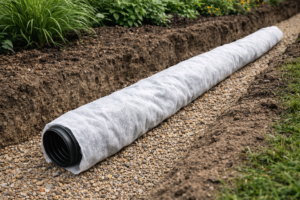
A suitable geotextile membrane can then be installed to help separate the existing ground from the aggregate above and reduce migration between the layers.
Next, install your appropriate aggregate sub-base and compact it thoroughly. This is an important part of the installation, as EcoGrid needs a stable and level foundation underneath it.
Once the preparation is complete, EcoGrid E40 can be laid. The individual grids connect together to create the required area and can be cut where necessary to suit the shape of your project.
Finally, fill the grids with a suitable angular gravel and level the surface. The aggregate sits within the grid structure, creating a reinforced and free-draining finished base.
Your shed, greenhouse or garden building can then be installed in accordance with its manufacturer’s requirements.
Can You Lay EcoGrid in Winter?
Yes. EcoGrid itself can be installed throughout the year, so you don’t necessarily need to wait for spring or summer to get started.
The important consideration is the condition of the ground and the correct preparation underneath the grid. Extremely waterlogged or frozen ground may make excavation and compaction more difficult, so always make sure your sub-base can be prepared and compacted correctly before laying the grids.
For a normal autumn or winter project, however, the season itself doesn’t need to stop you from creating your new base.
Can EcoGrid Be Used for Sheds, Greenhouses and Garden Rooms?
EcoGrid E40 is suitable for a wide range of garden projects and can provide a strong base for many sheds and greenhouses when installed correctly.
It can also form part of a foundation solution for garden rooms and outdoor offices. For larger structures, always check the garden building manufacturer’s foundation specifications first, as some buildings may require specific foundations, support points or additional structural work.
Make More of Your Garden This Winter
Your garden doesn’t have to become unused space as soon as the temperature drops.
Whether you want somewhere warm for family get-togethers, a dedicated space for winter DIY projects, extra storage or a greenhouse ready for spring, now can be a great time to get started.
With EcoGrid E40, you can create a strong, permeable and DIY-friendly garden building base without pouring a traditional concrete slab.
So instead of waiting for warmer weather, why not get the groundwork done now and make that extra garden space part of your home this winter?