

What is GSM in Geotextile Membranes? DIY Guide to Choosing the Right Fabric

GSM in Geotextile Membranes – What Does It Mean for Your Project?

If you’ve been browsing geotextile membranes on Spudulica.co.uk, you may have noticed numbers like 100gsm, 200gsm, 300gsm popping up. But what does GSM actually mean, and why should you care when planning your DIY project? Don’t worry – we’ll break it down in plain English!

First things first – what is GSM?

GSM stands for Grams per Square Metre. Basically, it’s how much the fabric weighs in relation to its size. Think of it like the thickness of a jumper:

  • A lightweight jumper (lower GSM) is good for a mild day.
  • A chunky winter knit (higher GSM) keeps you warm in the cold.

Geotextile membranes work the same way – the higher the GSM, the heavier, stronger, and more durable the fabric.

Why does GSM matter?

The GSM tells you how tough the geotextile is and what job it’s best suited for.

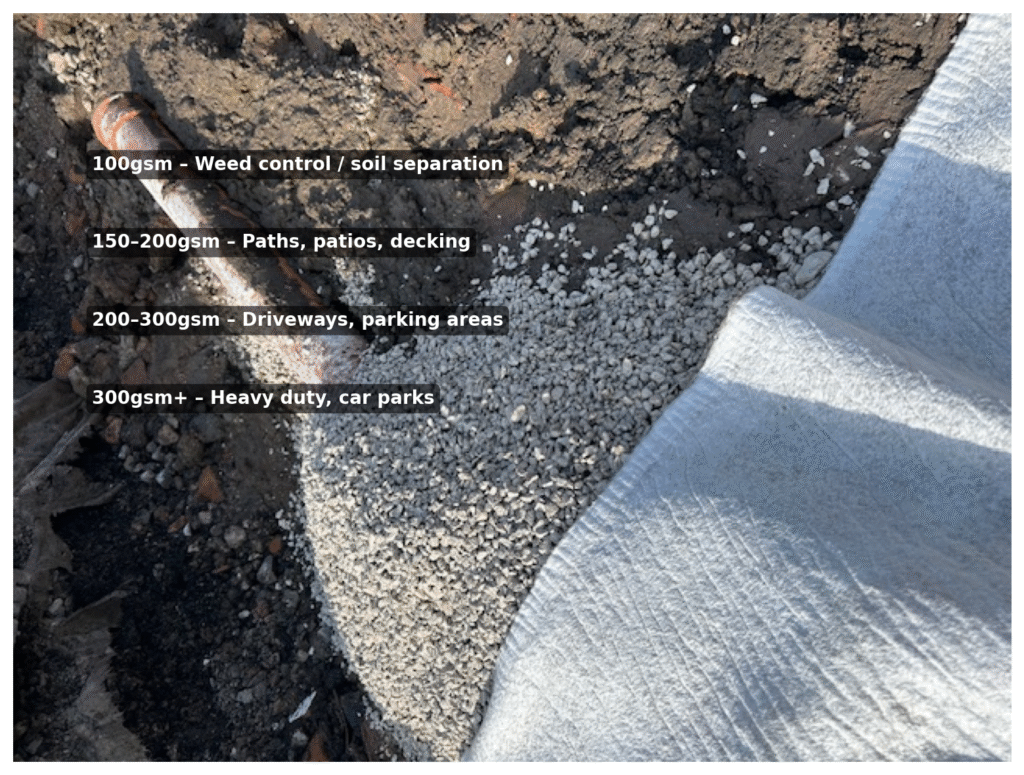
  • Low GSM (around 100gsm) – Lightweight, easy to handle. Great for simple jobs like keeping soil and gravel layers separate in the garden.
  • Medium GSM (150–200gsm) – A good all-rounder! Perfect for pathways, under decking, or driveways where you need strength but don’t want to overdo it.
  • High GSM (300gsm and above) – Heavy duty. These membranes are built for big jobs – like car parks, access roads, or anywhere with heavy traffic and loads.

So, when you’re choosing your geotextile, think about what it needs to withstand: people, pets, cars, or even lorries!

Examples for DIY Projects

  • Weed control under gravel → 100gsm is plenty.
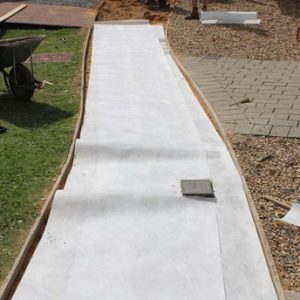
  • Garden paths or patios → 150–200gsm gives strength without fuss.
  • Driveways for cars → 200–300gsm for extra durability.
  • Big landscaping or building jobs → 300gsm+ – built to last.

Shopping made simple with Spudulica

On Spudulica.co.uk, you can buy geotextile by the metre, so you only get the amount you need – no giant rolls taking up shed space! Each product clearly shows its GSM, so you can match the fabric strength to your project.

GSM might sound technical, but once you know it’s just a way of saying how “beefy” the fabric is, it all makes sense. Lighter GSM for lighter jobs, heavier GSM for heavy duty jobs. Easy!

Next time you’re planning a project, remember: pick the right GSM and your geotextile membrane will do the hard work while you sit back and admire your handiwork.

Share This Post

More To Explore

This website uses cookies to ensure you get the best experience on our website. More Info